
2""Drone Basics : A Beginner's Guide to Choosing the Perfect Fit""
- bergsi20031989
- Feb 16, 2024
- 10 min read
Updated: Mar 10, 2024
"Drones" Master the Essentials - Step by Step Guide
Introduction to Drones: Discover the basics of drone technology, types of drones available, and their various applications across industries.
"Drone Basics : A Beginner's Guide to Choosing the Perfect Fit"
Drones have planted over 1 billion trees worldwide as part of reforestation efforts.
You have your own garden? Congratulation another reason to get a drone.
"This guide is meant to provide the knowledge needed to understand the fascinating world of drones."
Explore different types with their own unique features & tasks.
Enjoy!

Don't miss out on the latest trends in tech gear, from cutting-edge drones to the best in outdoor equipment and sustainable fashion.
Our newsletter is your gateway to discovering different cool brands, gaining valuable insights, and getting your hands on exciting gear that stands out from the crowd. Whether you're a tech enthusiast, an outdoor adventurer, or a passionist about ethical fashion, we've got something for everyone. We love to discover useful, special and suistainable goods that are bringing value into the life of others. Sign up now to stay informed and inspired by the innovations shaping our world.
First and foremost we will use an easy approach with our language and try to keep it as essential yet detailed to provide you with the best possible effect to catch the information provided.
"Yet, the colorful and brilliant magic lies beyond these words. The images and visuals captured through the lens of your unique worldview are breathtaking and exciting in drone videogreaphy and photography."
Types of Drones
Drones come in various shapes, sizes, and capabilities, each designed for specific uses and experiences. The most common categories include
Nano Drones: Their small size, affordability, and simple controls make them the most user-friendly, especially for beginners and educational purposes.
Consumer Drones: Designed for the general public, these drones often come with user-friendly features like automated flight modes, GPS stabilization, and intuitive piloting controls.
Racing Drones: While requiring more skill to operate due to their speed and agility, racing drones are embraced by enthusiasts willing to learn, supported by a vibrant community.
Multirotor Drones: Generally user-friendly with various models designed for both beginners and professionals, but their range of capabilities can introduce a steeper learning curve for advanced features.
Fixed-Wing Hybrid VTOL: Their combination of fixed-wing and VTOL capabilities offers versatility, but the complexity of operation and cost may not be as accessible to casual or beginner users.
Single-Rotor Helicopters: The complexity of their flight dynamics and controls places them further down the list, requiring more skill and understanding of helicopter piloting principles.
Professional Drones: Equipped with advanced features and capabilities for specific commercial and industrial applications, these drones demand a higher level of expertise and are less focused on user-friendliness for casual users.
Would you like to learn more about the different types of drones? Check out our blog article dedicated to this topic
How Drones Work
At the heart of drone technology is a combination of aerodynamics, electronics, and robotics. Here's a basic overview of how drones operate
Flight Mechanics: Drones maintain flight through the precise control of rotor speed, which allows them to hover, ascend, descend, and maneuver through the air.
Control Systems: Most drones are operated via remote controls or smartphone apps, which communicate with the drone using radio waves. Advanced models may include features such as GPS for stable outdoor flight, autopilot modes, and pre-programmed flight paths.
Battery Life: The duration of a drone's flight is largely dependent on its battery capacity. Typical consumer drones offer flight times ranging from 15 to 30 minutes, while professional models may fly longer. Battery life should be a key consideration, especially for photographers aiming for extended shooting sessions.
Drones for Hobbyists vs. Drones for Professionals
Hobbyist Drones
Drones for hobbyists are designed with the casual user in mind. These models often prioritize ease of use, affordability, and basic functionality. Typically, hobbyist drones come equipped with features that cater to recreational flying and basic photography needs. They are perfect for those looking to capture family moments, scenic views on vacations, or just enjoy the thrill of flying.
Features: Common features include automated flight modes (like follow me, orbit, and waypoint navigation), basic camera systems for stills and video, and user-friendly controls.
Price Range: Hobbyist drones can range from under $100 for basic models to around $1000 for more advanced ones with better cameras and flight capabilities.
Best Use Cases: Ideal for recreational flying, capturing casual photos and videos, and learning the basics of drone piloting.
Professional Drones
On the other hand, professional drones are built for more demanding tasks. These drones are equipped with advanced features that cater to specific professional needs such as high-resolution aerial photography, filmmaking, surveying, and inspection services. Professional drones are designed to deliver superior performance, including longer flight times, greater range, and more precise controls.
Features: Advanced camera systems with higher resolution sensors, professional-grade gimbals for stable footage, sophisticated flight planning software, and enhanced safety features.
Price Range: Prices for professional drones start from around $1500 and can go up to several thousand dollars, depending on their capabilities and included technology.
Best Use Cases: Suited for commercial photography, cinematic filmmaking, real estate and construction surveying, agricultural inspections, and more.
Comparison
Understanding the key differences between hobbyist and professional drones is crucial for making an informed decision that matches your needs and budget.
Hobbyist drones offer a great entry point for those new to drone flying or those with limited needs,
Professional drones provide the tools and performance required for commercial-quality output and specialized tasks.
Performance and Quality: Professional drones typically offer better performance in terms of flight dynamics, battery life, and range. The quality of the camera and stability of footage are also significantly higher in professional models.
Advanced Features: Professional models come with features that are overkill for casual use but essential for commercial applications, such as thermal imaging, multispectral sensors, and advanced obstacle avoidance systems.
Investment and ROI: For hobbyists, the investment in a drone is often about personal enjoyment and learning. For professionals, the right drone is a business investment, with considerations around return on investment (ROI) through the services they can provide.

Features,PRO and CONS
"What exactly are the features, pros, and cons now?
Let's have a deeper look into the technical part. It might be an important step to go through in order to pick the right model for your personal preferences."
Camera Specifications and Quality
Resolution: Budget models start with 720p video quality, suitable for casual use. Mid-range drones step up to 1080p, offering clear, crisp footage. For professional-grade imagery, look for drones with 4K or even 6K video capabilities. Still image resolution ranges from 12MP in entry-level models to 20MP or higher in premium drones.
Gimbal: Stabilization is key for smooth footage. Entry-level drones may lack a gimbal, leading to shakier videos. Mid-range options typically include a 2-axis gimbal, while top-tier drones boast a 3-axis gimbal for unparalleled stability, even in windy conditions.
FPV (First Person View): Basic drones offer FPV through a smartphone app with slight lag, enhancing the flying experience. Advanced models provide dedicated FPV goggles or screens with minimal latency, offering a more immersive and precise flying experience.
Flight Performance
Flight Time: On the lower end, expect about 10-15 minutes of flight time. Mid-range drones offer 20-25 minutes, while high-end models can fly for up to 30-40 minutes on a single charge.
Range: Budget-friendly drones may have a range of up to 500 meters. For greater exploration, mid-tier drones extend up to 2-5 kilometers, and premium drones can reach beyond 10 kilometers.
Speed: Entry-level drones fly at around 10-15 mph, suitable for calm conditions and slow-paced filming. Advanced models can reach speeds of 40-50 mph or more, perfect for tracking fast-moving subjects or exhilarating flight experiences.
Ease of Use
Automated Flight Modes: Basic drones offer limited automated features like auto-takeoff and landing. More sophisticated drones include follow-me, orbit, waypoints, and subject tracking, enabling both beginners and pros to capture complex shots effortlessly.
Obstacle Avoidance: Simple drones might not include obstacle avoidance, while mid-range models provide basic front-facing sensors. High-end drones are equipped with 360-degree obstacle sensing, ensuring safer flights in complex environments.
Portability
Size and Weight: Compact drones may weigh as little as 250 grams, avoiding registration requirements in many countries. Mid-sized drones offer a balance of performance and portability, while larger drones, weighing over 1kg, prioritize advanced features and longer flight times.
Durability and Repairability
Build Quality: Cheaper drones are made with lighter materials and may not survive significant impacts. Premium drones use high-quality composites and metals, offering better durability and easier access to replacement parts and repair services.
Legal and Safety Features
Geo-fencing and LED Lights: Basic models might offer limited or no geo-fencing capabilities. High-end drones come with sophisticated geo-fencing to automatically prevent flying in restricted zones, and bright LED lights for better visibility and compliance with night-flying regulations.
Battery Life and Charging Time
Battery Life: Entry-level drones typically require frequent charging, with longer charging times of up to 90 minutes for short flights. Advanced drones boast batteries that offer extended flight times and can be recharged more quickly, keeping you in the air longer.
Remote Control and App Integration
Quality and Ease of Use: Basic drones are controlled by simple remotes or smartphones, offering a straightforward flying experience. Premium models feature ergonomic remotes with integrated displays or advanced app integration for enhanced control and functionality.
Cost
Price Range: Entry-level drones starting around $50-$200, suitable for beginners and casual users. Mid-range models, offering a balance of features and quality, can cost between $300-$1000. Professionals demanding the highest quality and performance, prices for high-end drones range from $1000 to $3000 or more.
By considering these detailed factors across different price points, you can better assess which drone features align with your needs and budget, ensuring you make a well-informed decision.
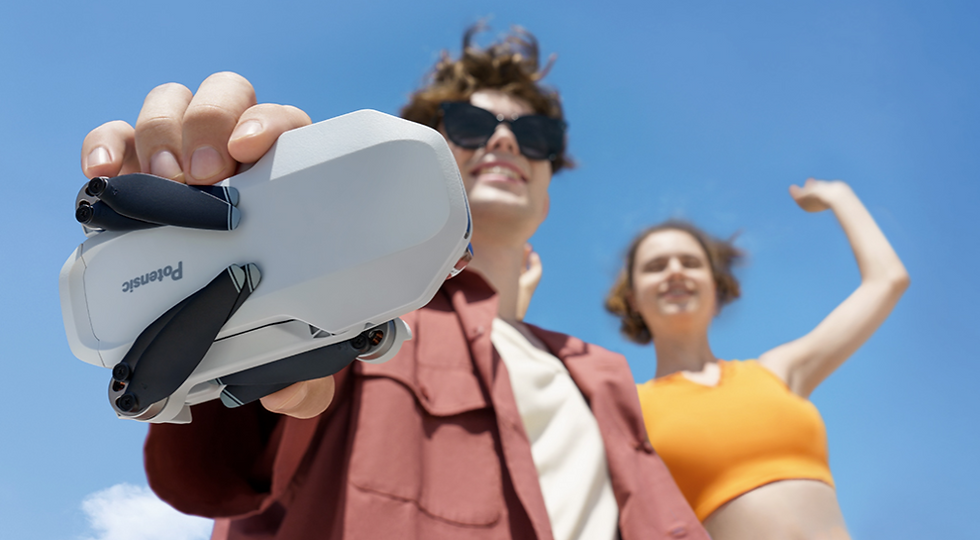
Pros and Cons of Drones
Drones have revolutionized photography, videography, and the leisure industry, offering a blend of technology and creativity. However, like any technology, they come with their set of advantages and disadvantages
Pros & Drones
Advanced Imaging Capabilities
Pros: High-end drones offer up to 8K video resolution and 20MP (or higher) for still images, featuring large sensors that excel in low light conditions. Budget models start with 1080p video resolution and 12MP for photos, which is adequate for hobbyists.
Superior Flight Performance
Pros: High-end models boast flight times up to 40 minutes and ranges of over 10 kilometers, with top speeds reaching 72 kph (about 45 mph). Entry-level drones offer 15-20 minutes of flight time, with ranges around 500 meters to 2 kilometers, and speeds up to 25 kph (around 15 mph).
Enhanced Stability and Precision
Pros: Premium drones are equipped with advanced 3-axis gimbals and sophisticated flight stabilization systems, ensuring incredibly smooth footage even in challenging conditions. Budget-friendly options may offer 2-axis gimbals or electronic image stabilization, which are suitable for casual use.
Smart Flight Modes
Pros: From automated tracking to pre-programmed flight paths, drones across the price spectrum offer various intelligent flight modes.
Cons & Drones
Learning Curve
Cons: Operating a drone, especially a high-end model, can be complex for beginners. Understanding all the features and mastering the controls requires time and practice.
Maintenance and Repair Costs
Cons: Drones are prone to wear and tear, and repairs can be costly, especially for high-end models with sophisticated components.
Regulatory Restrictions
Cons: Drone flying is subject to regulatory restrictions, which can limit where and how you can fly. Compliance with local laws and regulations is mandatory, which might require obtaining permits or certifications.
Privacy and Safety Concerns
Cons: The use of drones, especially in populated areas, raises privacy and safety concerns. Incidents of drones invading personal privacy or interfering with aircraft have led to heightened scrutiny.
Diving into the drone world, we've explored the key pros and cons affecting your choice—from entry-level models to high-end tech marvels. This exploration is just the beginning.
Are you interested in taking a course from a world-leading drone academy? Learning is especially important with drones, particularly regarding safety and regulations.
Next up, we'll spotlight leading brands like DJI, Autel, Fimi, Potensic, and Tucok, showcasing their standout models to guide your purchase.
Don't miss out on the latest trends in tech gear, from cutting-edge drones & action cameras to the best in outdoor equipment and sustainable fashion.
Our newsletter is your gateway to discovering different cool brands, gaining valuable insights, and getting your hands on exciting gear that stands out from the crowd. Whether you're a tech enthusiast, an outdoor adventurer, or a passionist about ethical fashion, we've got something for everyone. We love to discover useful, special and suistainable goods that are bringing value into the life of others. Sign up now to stay informed and inspired by the innovations shaping our world.
Explore Our Action Camera & Photography Guides Don't miss our detailed blog post series on Action Cameras or Photography Step by Step. Are you looking for a new hobby or some new discovery? Give it a try.
***
Explore Our Suistainable Fashion Guide Don't miss our detailed blog post series on sustainability in fashion and their leading brands. Designed for everyone who loves cool & innovative fashion plus is looking for that little extra to support, this step-by-step guide is your roadmap to new different and exciting clothes.
Frequently Asked Questions (FAQs) about Drone Features
1. What's the importance of camera resolution in drones?
"Camera resolution is crucial for drones because it determines the clarity and detail of the photos and videos you capture. Higher resolutions, like 4K or even 8K in top-tier models, offer stunning detail and professional-quality footage, making them ideal for photography enthusiasts and professionals."
2. How does a gimbal contribute to drone video quality?
"A gimbal stabilizes the camera on the drone, ensuring smooth, clear footage by compensating for movement and vibrations during flight. A 3-axis gimbal offers superior stabilization over a 2-axis gimbal, reducing shaky videos and improving image quality, especially in windy conditions or when maneuvering."
3. What's the benefit of having a longer flight time and range?
"Longer flight times and extended ranges enhance your flying experience by allowing you to explore further and capture more without the need to recharge frequently. High-end drones offer up to 40 minutes of flight and ranges beyond 10 kilometers, enabling ambitious projects and exploration."
4. Are drones with obstacle avoidance worth the extra cost?
"Yes, drones equipped with obstacle avoidance are often worth the investment for both beginners and experienced pilots. These systems enhance safety by preventing collisions, protecting your drone from damage, and making it easier to navigate through challenging environments."
5. How do the features of high-end drones compare to budget-friendly options?
"High-end drones boast advanced features like higher camera resolutions, more precise gimbals, longer flight times, and sophisticated flight modes that cater to professional needs. Budget-friendly drones, while more accessible, offer basic functionalities suitable for hobbyists or those new to drone flying, focusing on ease of use and portability. Each serves different purposes, making it essential to consider your specific needs and budget when choosing."


Comments