
3. "Camera Features Explained: A Beginner's Guide to Identifying the Ideal Model"
- bergsi20031989
- Feb 18, 2024
- 9 min read
Updated: Mar 9, 2024
Photography & Cameras Master the Essentials - Step by Step Guide
Introduction to Cameras: Uncover the fundamentals of camera technology, the variety of cameras available, and their diverse uses in different fields.
"Camera Features Explained: A Beginner's Guide to Identifying the Ideal Model"
The golden hour, shortly after sunrise or before sunset, offers soft, diffused light ideal for photography.
Explore the golden rules about different Camera Types
So that you can choose the right one for your next sunset pic.
Take your time & Learn about the Right Model for yourself
Enjoy!!!
Don't miss out on the latest trends in tech gear, from cutting-edge drones to the best in outdoor equipment and sustainable fashion.
Our newsletter is your gateway to discovering different cool brands, gaining valuable insights, and getting your hands on exciting gear that stands out from the crowd. Whether you're a tech enthusiast, an outdoor adventurer, or a passionist about ethical fashion, we've got something for everyone. We love to discover useful, special and suistainable goods that are bringing value into the life of others. Sign up now to stay informed and inspired by the innovations shaping our world.
Join us on this exciting journey to explore, discover, and experience the forefront of innovation and style. Subscribe
First and foremost we will use an easy approach with our language and try to keep it as essential yet detailed to provide you with the best possible effect to catch the information provided.
"Yet, the colorful and brilliant magic lies beyond these words. The images and visuals captured through the lens of your unique worldview are breathtaking and exciting in photography."

DSLR Cameras
Digital Single-Lens Reflex (DSLR) cameras, evolving from film-based SLRs, have become a cornerstone in professional photography by merging traditional SLR mechanics with digital imaging sensors. This transition, gaining momentum in the late 1990s, led to DSLRs overtaking film cameras in professional use by the mid-2000s. By 2012, DSLRs represented about 75% of the cameras used by professional photographers globally, highlighting their widespread adoption and the significant shift from film to digital.
Key Features
High Image Quality: DSLRs boast unparalleled image quality. Their large image sensors capture detailed, noise-minimized photographs, making them a preferred choice for high-stakes photography.
Interchangeable Lenses: The flexibility to change lenses caters to a broad spectrum of photography needs, from wide-angle landscapes to telephoto wildlife shots, enhancing the camera's versatility.
Manual Controls: Offering comprehensive manual adjustments for exposure, focus, and more, DSLRs empower photographers to fine-tune every element of the image capture process, catering to both artistic and technical demands.
Pros
Superior Image Quality: The combination of large sensors and advanced technology ensures exceptional photo quality, with rich details and minimal noise.
Extensive Lens Selection: A vast array of compatible lenses and accessories broadens creative possibilities and technical capabilities.
Enhanced Low Light Performance: Larger sensors significantly improve performance in dimly lit environments, enabling clearer, brighter images without relying heavily on artificial lighting.
Cons
Size and Weight: Their robust build makes DSLRs bulkier and heavier than their counterparts, posing challenges for on-the-go photography and travel.
Higher Cost: The initial investment and the cost of additional lenses and gear can accumulate, making DSLRs a more expensive option overall.
Learning Curve: The complexity of manual controls and technical settings may overwhelm beginners, requiring a commitment to learning for optimal use.
More to Consider
User-Friendliness: While offering extensive control and customization options, DSLRs present a steeper learning curve, making them more complex for beginners but highly rewarding for experienced photographers.
Target Audience: Designed with professionals and serious hobbyists in mind, DSLRs cater to those who prioritize image quality and the flexibility to manually adjust every aspect of their photography.
Compactability: Their larger size and the necessity for additional lenses and gear make DSLRs less portable and convenient for casual, everyday photography compared to more compact camera types.
Price: The initial investment for a DSLR and its accessories is higher, reflecting the camera's superior image quality and versatility in a wide range of photography settings.

Mirrorless Cameras
Mirrorless cameras, emerging as a compact alternative to DSLRs, eliminate the optical mirror system for a lighter design. Since their introduction in the late 2000s, they've rapidly gained popularity, capturing about 50% of the global market share for interchangeable lens cameras by 2020. This shift highlights the preference for their compactness and advanced features.
Key Features
Compact Design: Without the mirror mechanism, mirrorless cameras are significantly smaller and lighter than DSLRs, offering enhanced portability without compromising on image quality.
High Image Quality: Equipped with large sensors comparable to those in DSLRs, mirrorless cameras deliver detailed, high-resolution images, particularly in the latest models.
Fast Autofocus: Utilizing on-sensor phase detection, mirrorless cameras often achieve faster and more accurate autofocus, even in low light conditions.
Versatile Lens Options: While the lens ecosystem for mirrorless cameras continues to grow, many models are compatible with a wide range of lenses through the use of adapters.
Pros
Portability: The compact size makes mirrorless cameras ideal for travel and everyday photography, allowing for easy storage and handling.
Image Quality and Performance: Offers excellent image quality and performance, rivaling that of DSLRs, especially in newer models.
Silent Shooting: The lack of a mirror mechanism enables silent operation, beneficial in situations where noise is a concern, such as wildlife photography or quiet events.
Cons
Battery Life: Typically, mirrorless cameras have shorter battery life compared to DSLRs, due to the continuous use of electronic viewfinders and LCD screens.
Lens Selection: Although expanding, the range of lenses and accessories available for mirrorless systems may not be as extensive as for DSLRs, potentially limiting some photographic opportunities.
Ergonomics and Handling: The smaller body size can be a drawback for users with larger hands or when using larger lenses, affecting the overall handling and balance.
More to Consider
User-Friendliness: Mirrorless cameras are generally considered more user-friendly, especially for beginners, thanks to their intuitive interfaces and the real-time preview of exposure adjustments.
Target Audience: They cater to a wide audience, from professionals seeking a lighter alternative to DSLRs, to hobbyists and beginners looking for a balance between performance and portability.
Compactability: The defining feature of mirrorless cameras is their compact size, making them a top choice for photographers who prioritize convenience and mobility.
Price: Pricing for mirrorless cameras spans a wide range, with entry-level models being more affordable and high-end models approaching or exceeding the cost of DSLRs, especially as technology advances.
Mirrorless cameras have carved out a significant niche in the photography market, offering a compelling blend of performance, image quality, and portability.

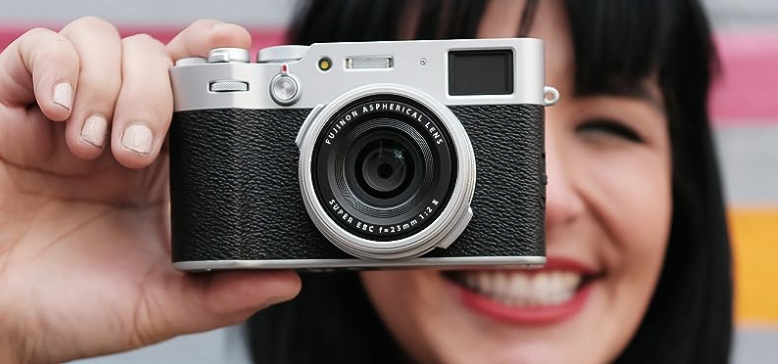
Point-and-Shoot Cameras
Point-and-shoot cameras have made photography accessible to everyone, simplifying the process with compact designs and automatic settings. By the early 2000s, they dominated about 90% of the digital camera market, highlighting their popularity for capturing high-quality images without manual complexity.
Key Features
Ease of Use: With automatic settings for focus, exposure, and flash, point-and-shoot cameras are designed for simplicity, enabling users to capture moments without fuss.
Compact Design: Their small size and lightweight build make them highly portable, ideal for slipping into a pocket or bag for everyday use and travel.
Quality Imaging: Modern point-and-shoot cameras offer impressive image quality for their size, with many models featuring advanced sensors and optical zoom capabilities.
Pros
User-Friendly Interface: Ideal for beginners and those who prefer a straightforward photography experience without the need to adjust manual settings.
Portability: The compact and lightweight design is perfect for on-the-go photography, from vacations to family gatherings.
Affordability: Generally more affordable than DSLRs and mirrorless cameras, making them an attractive option for casual photographers.
Cons
Limited Manual Control: Offers fewer opportunities for creative control over settings, which might be a drawback for more experienced photographers.
Fixed Lenses: The inability to change lenses limits versatility compared to DSLR and mirrorless cameras, particularly in specialized photography situations.
Lower Performance in Low Light: Smaller sensors can result in less effective performance in low-light conditions compared to larger-sensor cameras.
More to Consider
User-Friendliness: Point-and-shoot cameras are the epitome of simplicity, offering an intuitive photography experience that is accessible to everyone, regardless of skill level.
Target Audience: Suited for casual photographers, travelers, and anyone looking for a convenient way to capture high-quality images without the complexity of professional gear.
Compactability: Their slim, lightweight design ensures maximum portability, making them the perfect companion for everyday adventures and travel photography.
Price: Offering great value, point-and-shoot cameras are an economical choice for those seeking quality photography on a budget, without the need for additional lenses or accessories.
Point-and-shoot cameras stand out for their ease of use, compact design, and affordability, making them a favored choice for casual photography enthusiasts. While they may not offer the same level of control or versatility as more advanced camera types, their convenience and quality make them a staple in capturing everyday moments and memories.
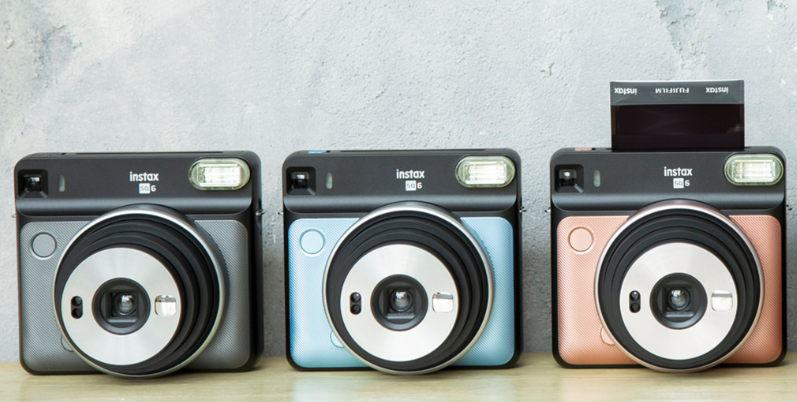
Instant Cameras
Instant cameras, blending nostalgia with modern technology, have made a significant comeback. Originally capturing over 60% of the American household market by the late 1970s, these cameras were famed for their on-the-spot photo production. Despite the digital revolution, they've retained their iconic instant print feature while integrating digital advancements, experiencing a resurgence as a fusion of retro charm and contemporary tech.
Key Features
Instant Photo Prints: The defining feature of instant cameras is their ability to produce physical photos immediately after taking a shot, offering a tangible sense of nostalgia and immediacy.
Portability: Designed for fun and spontaneity, these cameras are typically compact and easy to carry, making them perfect for events and casual photography.
Simple Operation: With straightforward, often automatic settings, instant cameras are accessible to users of all ages and skill levels, emphasizing the joy of capturing moments without the complexity of settings.
Pros
Immediate Physical Memories: Instant cameras create physical prints instantly, providing a unique and tangible way to capture and share memories.
Ease of Use: Their user-friendly design and simple operation make instant cameras accessible and enjoyable for everyone, regardless of photography experience.
Creative and Fun: Many models offer creative features like filters, stickers, and different photo sizes, adding a playful element to photography.
Cons
Image Quality: While convenient, the image quality of instant cameras generally doesn't match that of DSLRs or mirrorless cameras, with photos often being smaller and less detailed.
Limited Control: The simplicity of instant cameras means limited options for manual adjustments, making them less versatile for those looking to experiment with settings.
Ongoing Costs: The cost of film packs can add up over time, making instant photography more expensive per photo compared to digital alternatives.
More to Consider
User-Friendliness: Instant cameras score high on user-friendliness, offering a straightforward, fun photography experience without the need for technical knowledge.
Target Audience: Ideal for casual photographers, party-goers, and creative individuals looking for a unique way to capture and share moments instantly.
Compactability: These cameras are designed to be lightweight and portable, easily fitting into a day bag for on-the-go photography.
Price: While the cameras themselves can be relatively affordable, the recurring cost of film packs should be considered in the overall investment.
Instant cameras stand out for their unique ability to merge the instant gratification of seeing a photo develop before your eyes with the simplicity and fun of casual photography. They cater to a wide audience, from those nostalgic for the analog days to modern users seeking a creative and social photography experience.
Choosing the right camera is a journey that requires careful consideration and exploration,it's essential to take your time and think through your decision.
Do you wanna explore different cameras for different uses? DSLR or mirrorless, instant cameras? Find your fit and get ready for new adventures!
or
Our aim is to make it easier for you to understand the differences, advantages, and limitations of each camera type, helping you make an informed decision that best suits your photography needs and preferences.
Don't miss out on the latest trends in tech gear, from cutting-edge drones to the best in outdoor equipment and sustainable fashion.
Our newsletter is your gateway to discovering different cool brands, gaining valuable insights, and getting your hands on exciting gear that stands out from the crowd. Whether you're a tech enthusiast, an outdoor adventurer, or a passionist about ethical fashion, we've got something for everyone. We love to discover useful, special and suistainable goods that are bringing value into the life of others. Sign up now to stay informed and inspired by the innovations shaping our world.
Explore Our Backpack Fashion Guide Don't miss our detailed blog post series on sustainability in the outdoorsy world and their leading brands. Designed for everyone who loves cool & innovative backpacks. From day backpacks to travel backpacks.
***
Explore Our Suistainable Fashion Guide Don't miss our detailed blog post series on sustainability in fashion and their leading brands. Designed for everyone who loves cool & innovative fashion plus is looking for that little extra to support, this step-by-step guide is your roadmap to new different and exciting clothes.
5 FAQ about Different Camera Types
I'm a beginner, which camera type should I start with? Compact cameras are a great starting point! They're user-friendly, portable, and affordable. If you want more control and image quality, consider a beginner DSLR or mirrorless camera. Action cameras are fantastic for capturing adventures, while instant cameras offer a fun and nostalgic experience.
Is a DSLR or mirrorless camera better? Both have their strengths. DSLRs excel in battery life, viewfinder experience, and lens selection. Mirrorless cameras are lighter, more compact, and offer faster autofocus. It ultimately depends on your priorities and budget.
Are smartphone cameras good enough for most people? Smartphone cameras have improved significantly, making them suitable for everyday photography and social media sharing. However, they lack versatility and control compared to dedicated cameras. For serious photographers or enthusiasts, a dedicated camera is still recommended.
What about film cameras? Are they still relevant? Yes! Film photography offers a unique aesthetic and experience digital cameras can't replicate. It's a slower, more deliberate process that teaches you the fundamentals of photography. However, film costs and processing add up, and it can be less forgiving than digital.
I'm looking for a camera for specific photography, like wildlife or underwater. What types should I consider? For wildlife, DSLRs or mirrorless cameras with long telephoto lenses are optimal. Action cameras might also be suitable. For underwater photography, dedicated waterproof cameras or waterproof housing for your existing camera are crucial. Research specific features and consider renting before buying.


Comments